
What this is
A bilingual archive that observes, curates, and comments on AI-era artifacts: fake products, failed prototypes, absurd launches, and the tools people actually build with AI.
A field record of working with AI, building projects, and curating the strange artifacts of this moment.
A small selection of essays, field notes, and projects from the Institute archive.

01 · Observation · Human-AI Collaboration
I look back at how local project records and one Codex chat made it easier to hand off work, and why reviewing parallel results still takes focused attention.
Read the post →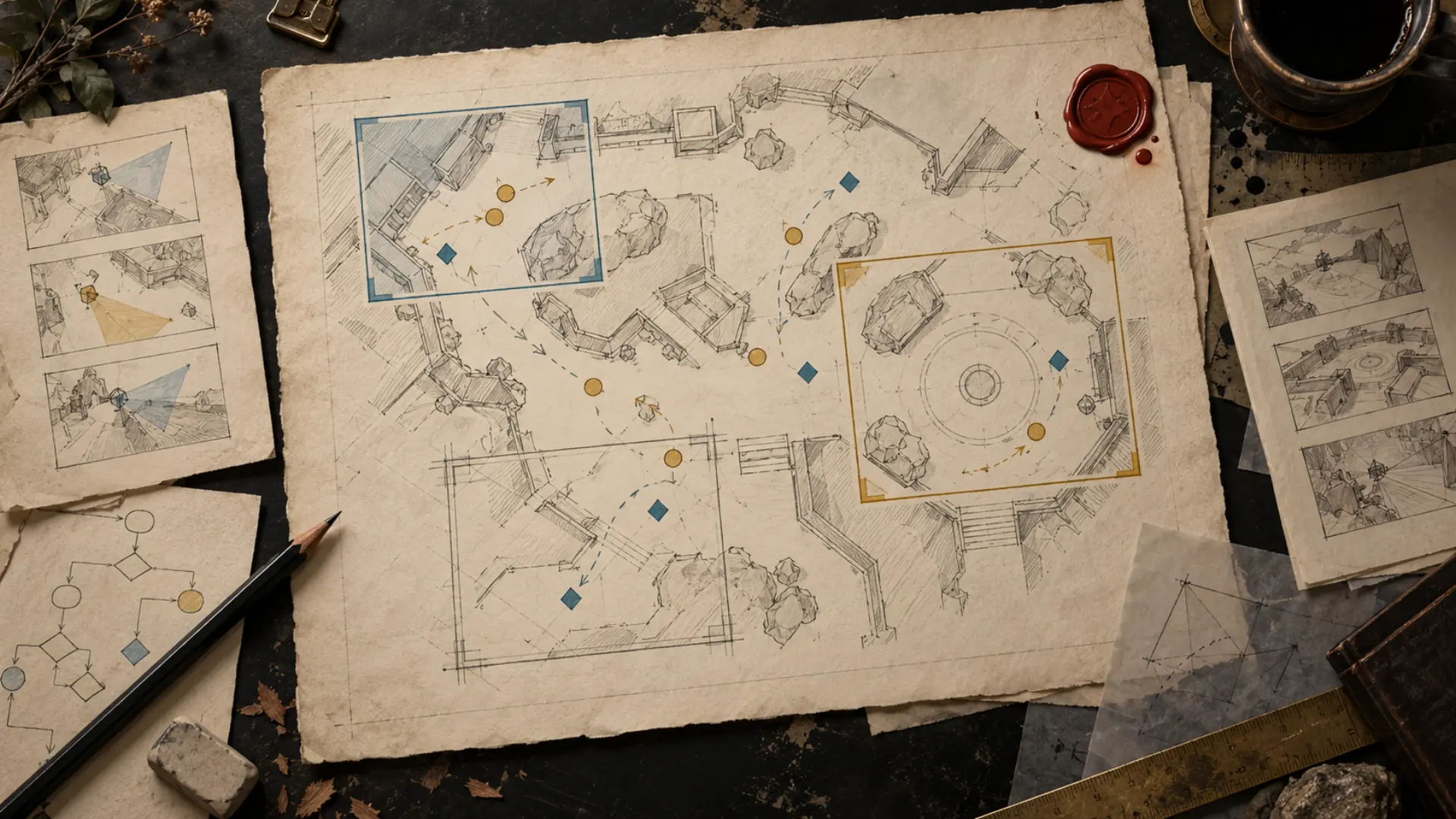
02 · Observation · Build in Public
Hold the shot longer. Show the teammate’s setup. End the wait. How can those judgments become conditions a program can execute and test?
Read the post →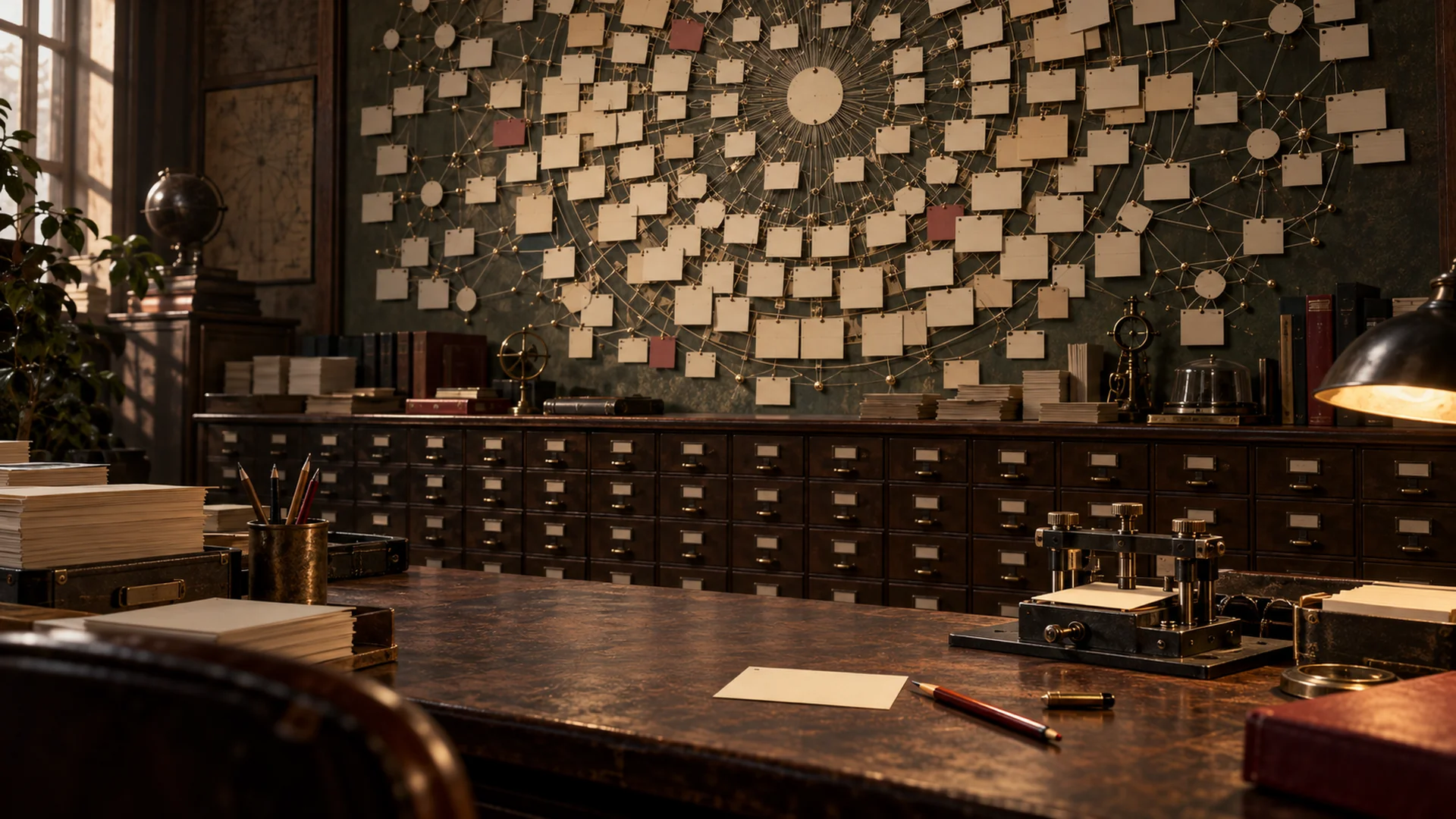
03 · Observation · Human-AI Collaboration
The graph looked impressive. Questions about whether a plan would work still left me without answers.
Read the post →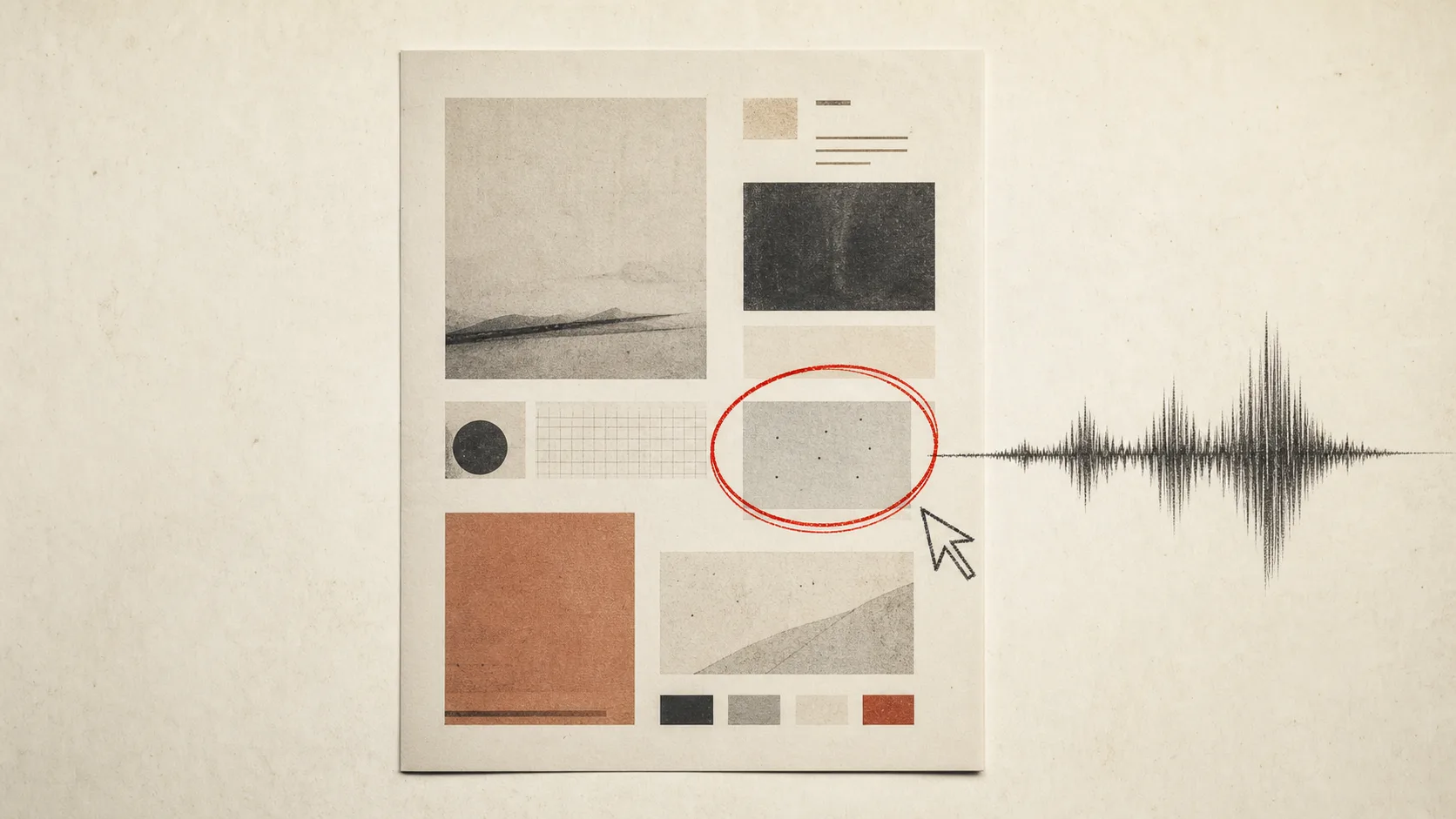
A CANVAS FOR THOUGHT BEFORE THE PROMPT
Let an idea keep forming through space, action, language, and time.
This is the first time I am introducing Canvas Prompt on the Institute's own site. It keeps the process before compression in view, then lets that context enter an AI workflow. The Prompt is not the beginning.
More field notes, in accession order.
CJ arrived in London with £100 and a goal of earning £1 million in 100 days. He built apps, promoted them on the street and took on client work. I followed his public records to see how much one person with AI could get done.
I may be inside a causal chain and still feed new context into the next version of myself. I do not know where quantification ends.
An AI that never talks made me rethink what agents should pass between one another: state, choices, probabilities, and the language people need later.
AI is extraordinarily good at producing meaning. People still have to decide what deserves entry into their lives and when it has gone far enough.
When several agents share a project, the final output often survives. The reasoning that produced it is much easier to lose.
Cloud deployment is old. An agent control plane that can route work across devices, sandboxes, and workers changes the structure.
Every exhibit sits inside the institute's frame: a specimen label above, the object displayed, a curator's note below.
Built on a real open-source soccer vision pipeline, with a 58-second launch film and a crowdfunding page. The engineering is real; the product is not. The institute's test: can sufficient rigor make an expert hesitate?
Someone posted "can someone build this?" and two days later, someone did. A leaderboard that treats free dev tools as deities you can offer incense to. Absurd form, real feeling: developers genuinely owe these tools a debt. The merit value is collective reputation voting in monastery robes.
A public post from a product lead is usually swallowed by the timeline. CodexRadar gives it an opening and a closing state: the window opens when a reset is announced, then closes when completion is confirmed. Remaining quota becomes a task with a deadline. Our earlier observation asks how resets shape platform value, capacity, and work allocation. This specimen records the user-side answer: build a folk instrument that misses fewer windows.
A bilingual archive that observes, curates, and comments on AI-era artifacts: fake products, failed prototypes, absurd launches, and the tools people actually build with AI.
Three exhibits, a growing post stream, and an open-source skill for auditing meeting judgment.
Not a research institution, not a media outlet, not a shop. It's a shelf where AI-era things worth a second look get put on display.
AUTHOR · CURATOR · dlxevaI document working with AI, building projects, and curating artifacts worth another look.